
TU Munich Weihenstephan – Centre for Infection Prevention
Client
Freistaat Bayern, vertreten durch das Staatliche Bauamt Freising
Negotiated procedure (VgV), contract award
2021
Start of planning - Completion
2021 - 2026
Performance Phases
2 - 8
Building Data
Total cost 3,480,000 €
Gross Floor area 6,267 m²
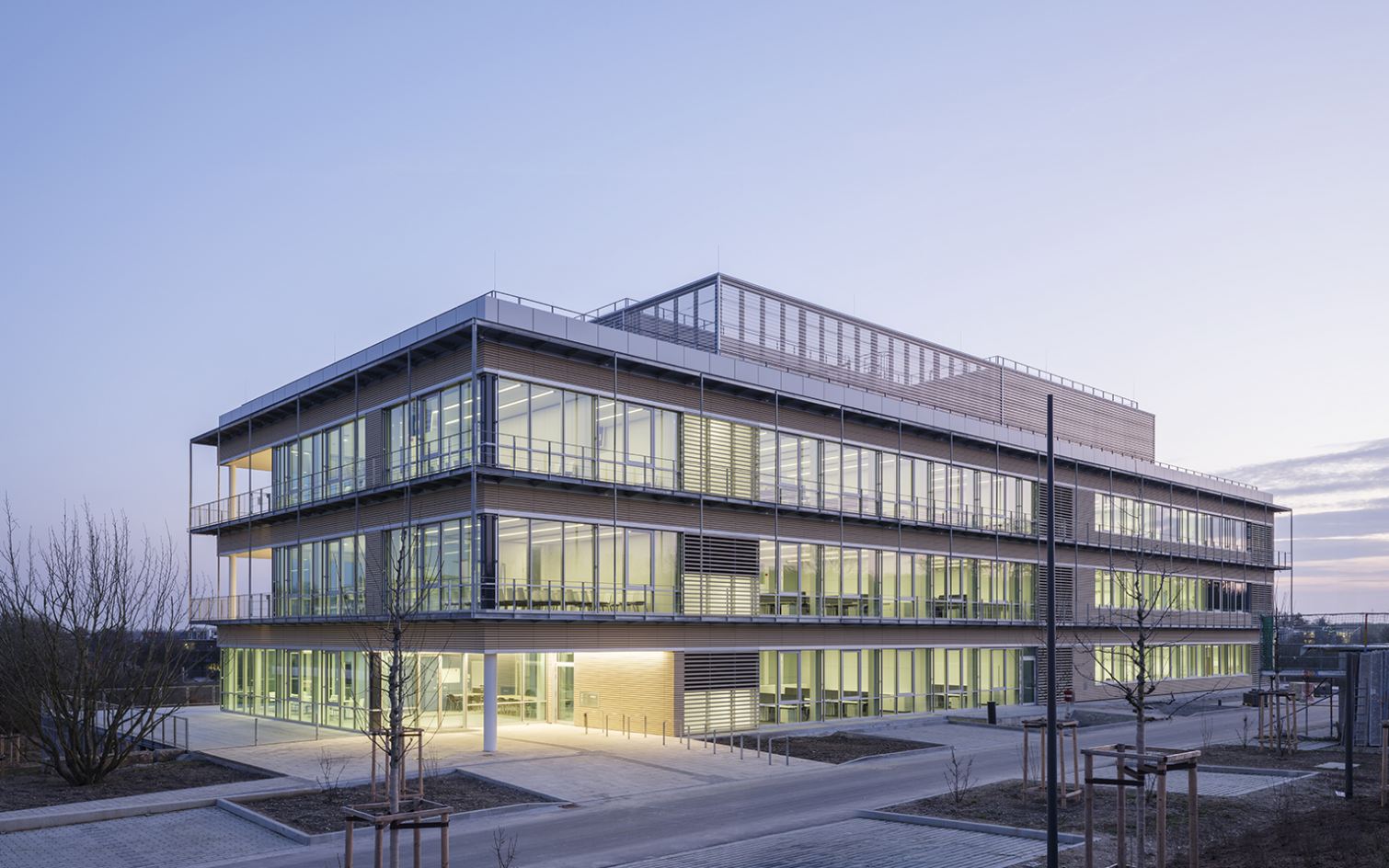
On the Weihenstephan campus of the Technical University of Munich, the Free State of Bavaria intends to establish a Center for Infection Prevention Research (ZIP). The new building will be constructed in close proximity to the existing Animal Sciences building on campus.
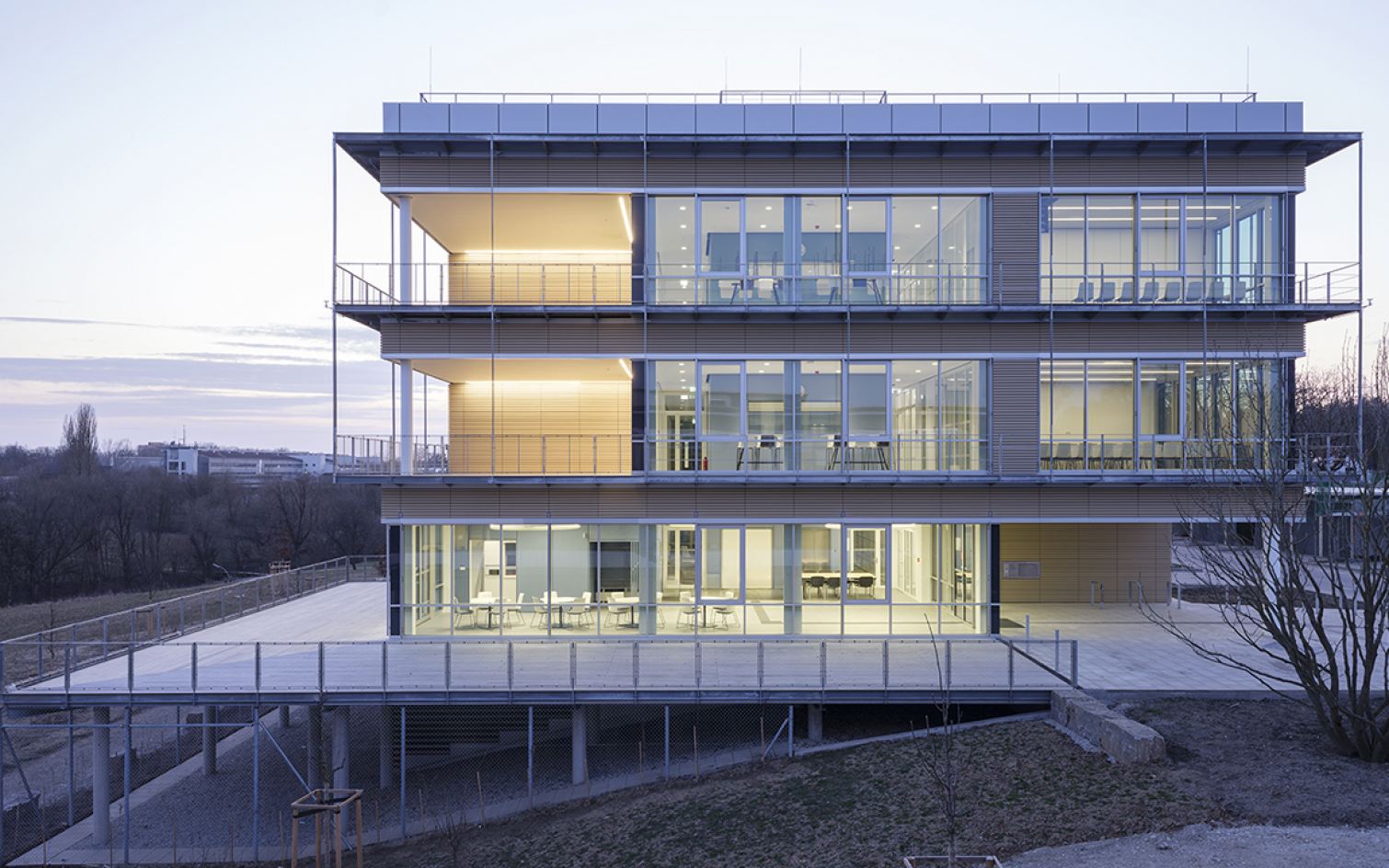
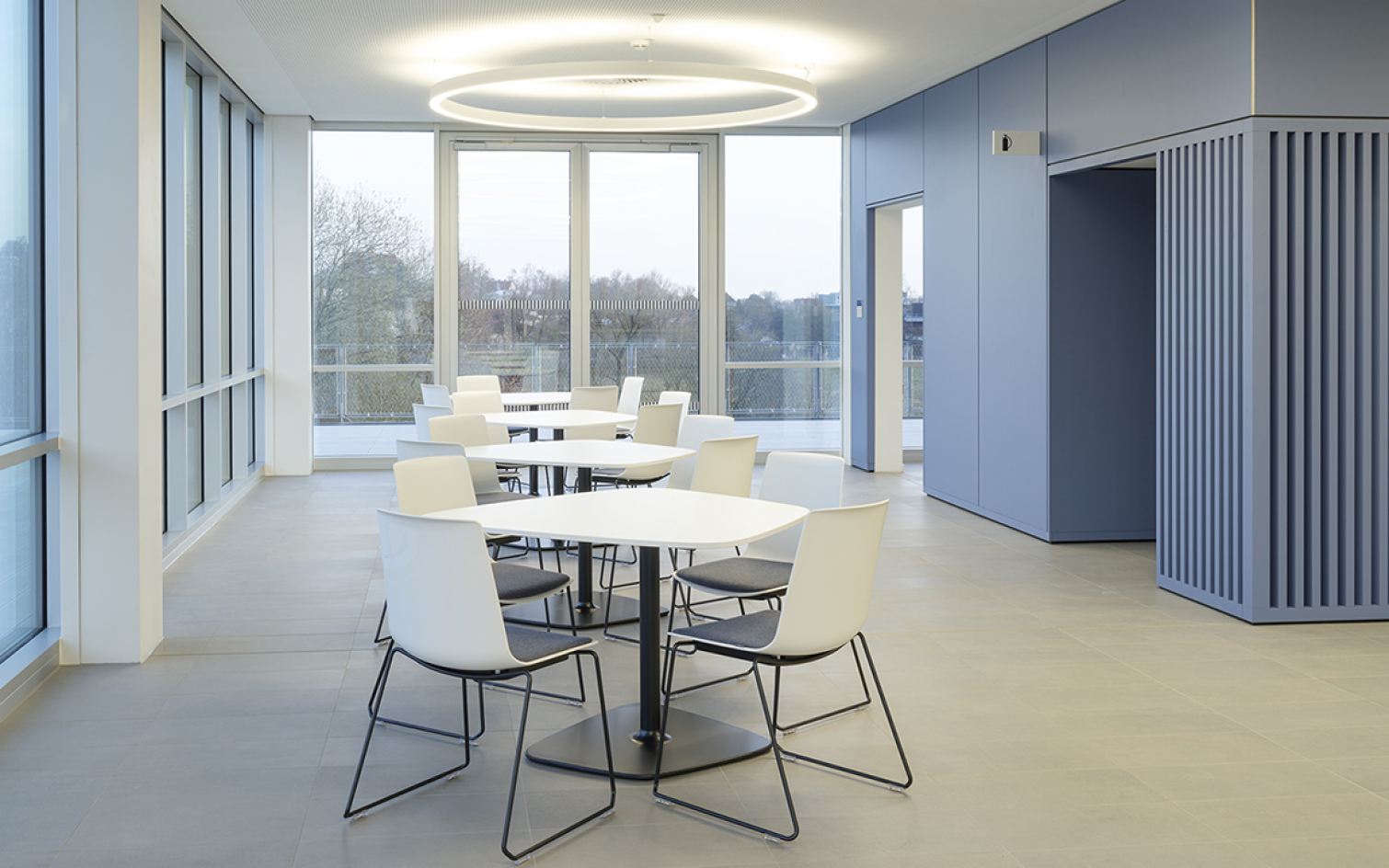
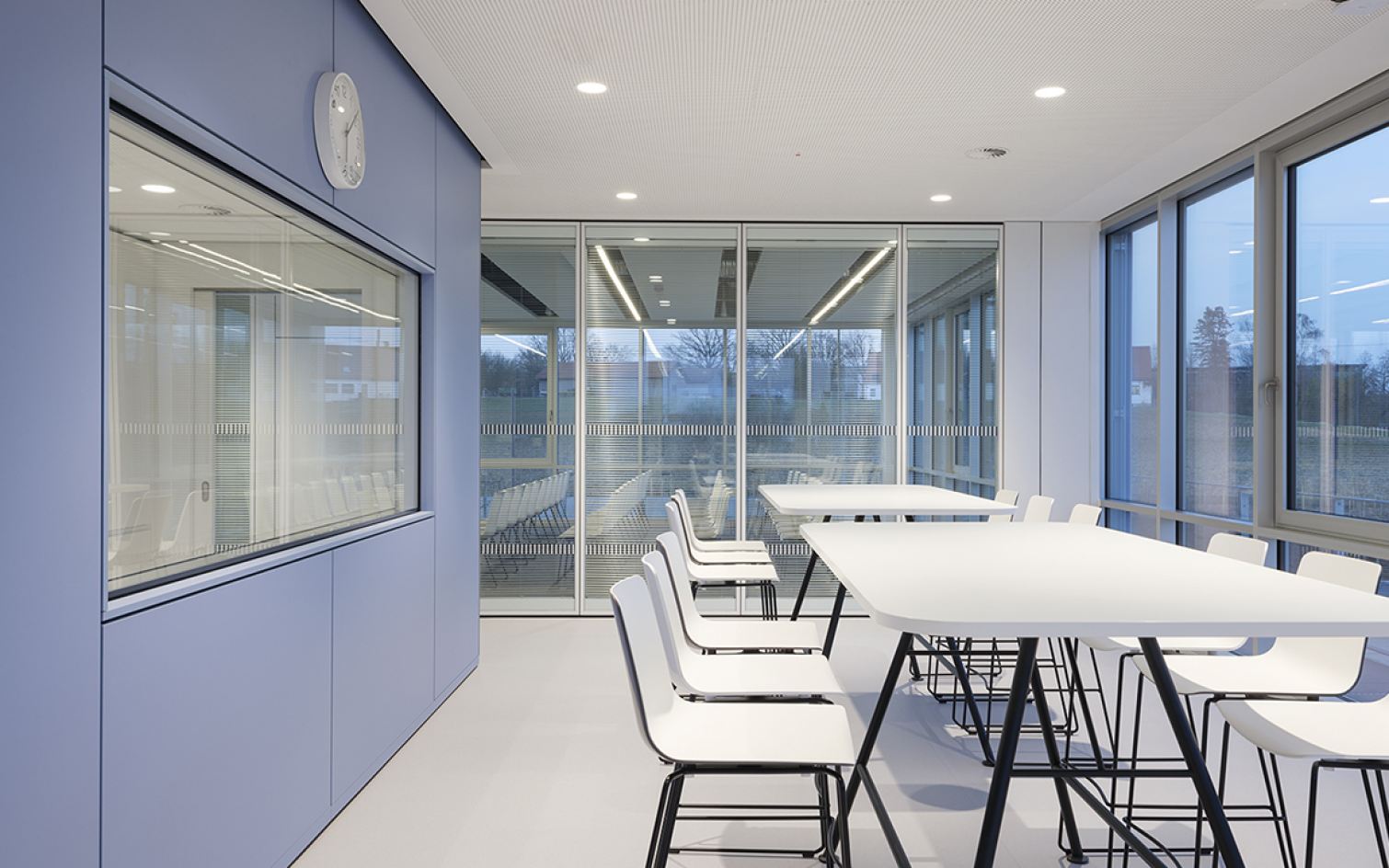
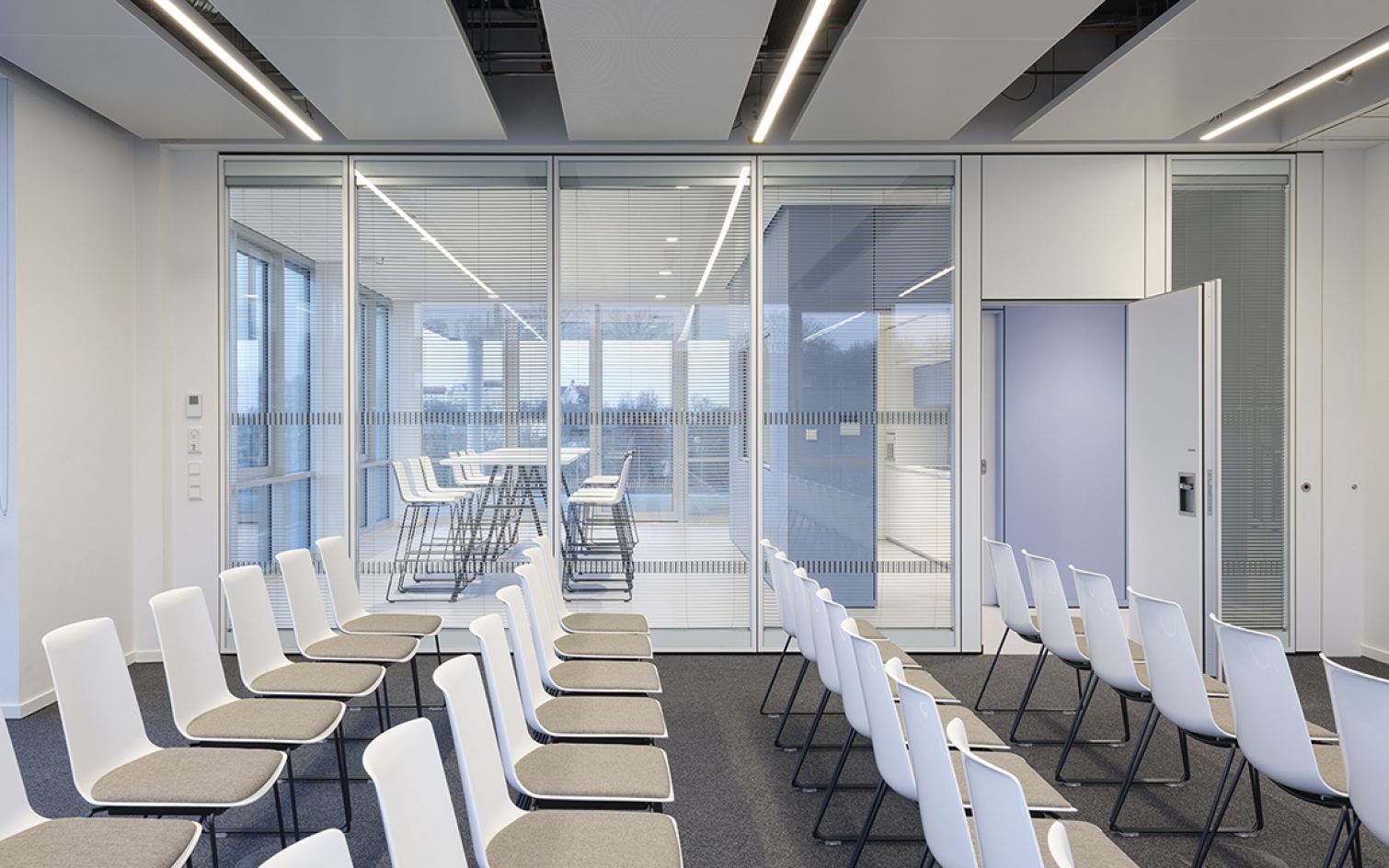
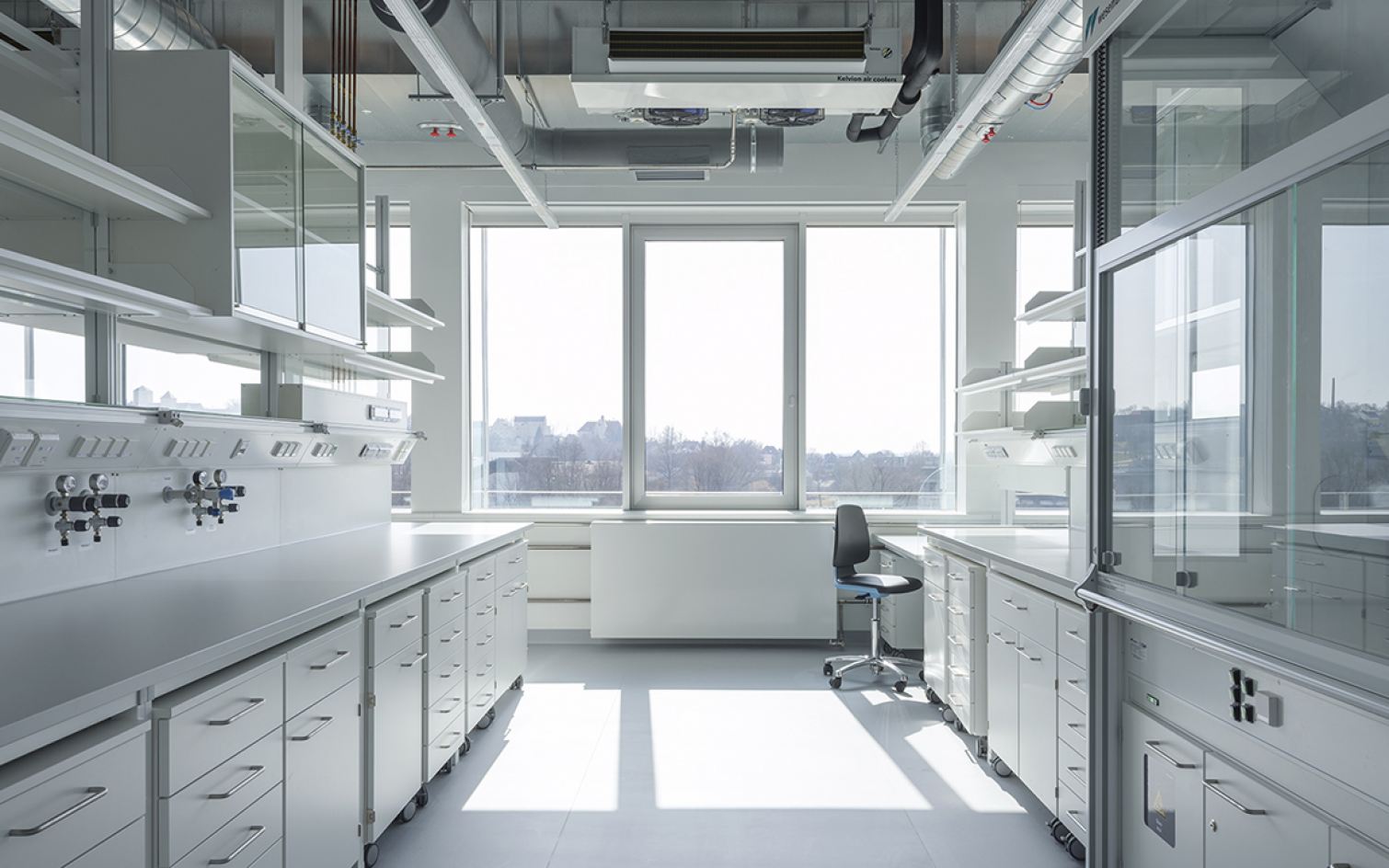
The aim of the planned research center is to develop innovative strategies for the prevention, control, and containment of the spread of resistant pathogens in humans and livestock. The compact three-story building is divided into two zones: laboratory spaces are located on the western side, while offices, conference and meeting rooms, along with adjacent common areas, are situated to the east.
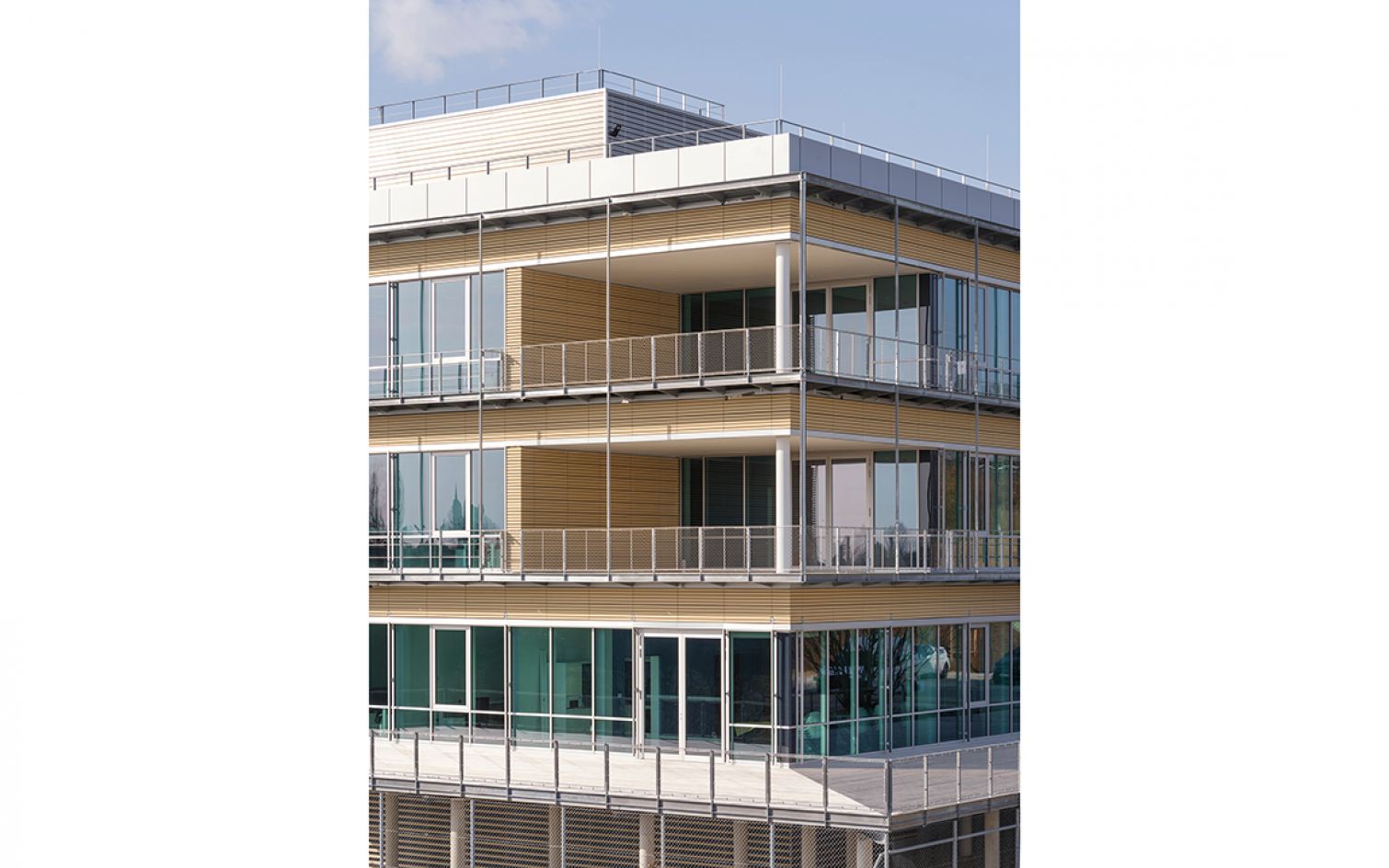
The building envelope is structured into two layers. The outer layer consists of continuous cleaning and maintenance walkways made of a galvanized steel structure with steel grating decking and steel bar railings. The second layer forms the building’s thermal envelope and features a partially floor-to-ceiling mullion-and-transom façade made of anodized aluminum profiles with external textile sun shading. Enclosed areas such as shear walls, lintels, and parapets are clad with a ventilated, profiled ceramic panel façade. The stairwell façades are finished with ceramic baguette profiles. The roof surfaces are designed as retention roofs with intensive green roofing and photovoltaic systems.